Heavy metal removal

Common heavy metals present in wastewater and how they are treated
Heavy metals present in wastewater are usually a result of industrial processes and agricultural runoff.
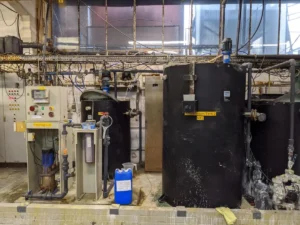
Case study: Rimex
Sulphate treatment upgrades to help a client meet their compliance to consent limits.
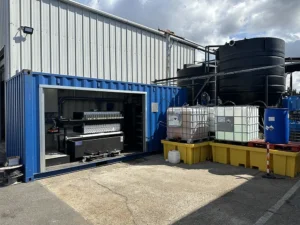
Case study: Monarch Chemicals
Identifying a new wastewater treatment solution for a UK chemical distribution company.
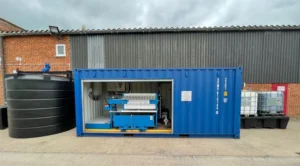
Case study: IVO Textiles
Solving a consent to discharge challenge for a London-based textile printing company.
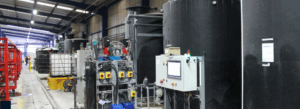
Case study: Almit Metal Finishing
Aqua Advice provided flexible effluent treatment plant design for a growing client in the metal finishing industry.

Sulfate removal by precipitation: all you need to know
The removal of sulphate (known in the US as sulfate) by precipitation is a widely used method in water and wastewater treatment to reduce sulphate concentrations in industrial effluents and natural water sources.

Molybdenum and UK wastewater legislation
Molybdenum is used in a number industries and its levels in wastewater must be controlled to minimise environmental and health risks….

Heavy metal removal: treatment methods of industrial wastewater
Heavy metal removal is a key area in the treatment of industrial wastewater and there are many effective treatment methods. Let’s take a look…

Heavy metal precipitants and changing consent levels: a case study
We recently worked with a client whose consent to discharge dissolved heavy metal precipitants was set to change…
Effluent wastewater treatment: the cost of non-compliance set to rise
Effective effluent wastewater treatment will soon be more vital than ever, with the Environment Agency being given greater powers…
Topics
CLIENTS INCLUDE